
With the growth of web scraping, cross-border e-commerce, SEO analysis, market research, and overseas business operations, an increasing number of enterprises and individuals are utilizing web proxies. Accessing target websites via proxy servers can help mitigate issues such as IP restrictions, excessive access frequency, and regional variations in access environments.
However, the quality of web proxy services varies significantly. Unstable proxies, low-quality IPs, or inadequate security can hinder access efficiency and lead to request failures. Therefore, selecting a secure and stable web proxy service is crucial.
What is a web proxy?
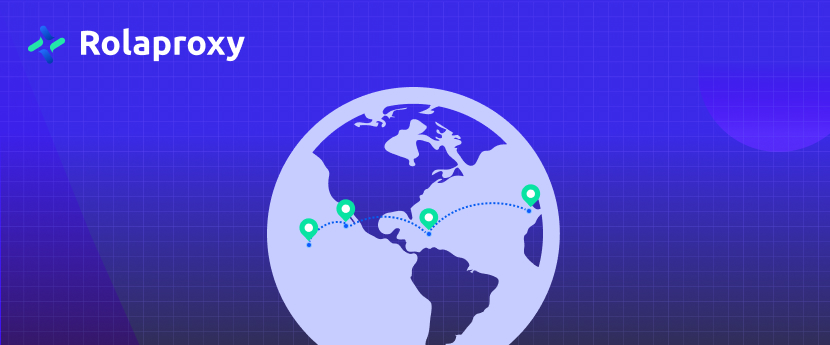
A web proxy is a network service that sits between a user's device and a target website. When a user accesses a website through a web proxy, their request is first routed through the proxy server, which then initiates the connection to the target website.
In simple terms, a web proxy allows users to access the internet using the proxy server's IP address rather than their local network IP.
Depending on the IP source and usage method, web proxies are typically categorized into types such as datacenter proxies, residential proxies, static residential proxies, and dynamic residential proxies.
Notably, residential proxy IPs originate from real residential network environments, offering superior adaptability in scenarios like web scraping, cross-border e-commerce, and price monitoring.
Why use web proxies?
When accessing websites normally, generating a large volume of requests within a short period can trigger restrictions by the target website. Issues such as excessive access frequency, increased CAPTCHA challenges, IP blocks, or request failures may occur.
For business operations requiring high-volume web access, relying on a single IP address is often insufficient to meet demands.
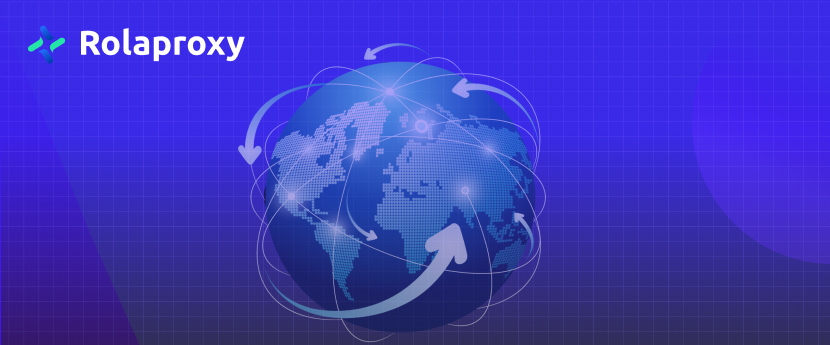
Using web proxies allows for switching between different IPs and geographic locations based on specific business needs, thereby reducing the risk of restrictions associated with continuous access from a single IP.
For instance, in e-commerce price monitoring, product prices and inventory data may vary by region. Using proxy IPs from different locations facilitates more effective market data analysis.
What are the advantages of web proxies?
1. Mitigating the impact of IP restrictions
Web proxies provide access to various IP addresses, making them ideal for business scenarios requiring a high volume of web requests. Strategic use of proxy IPs helps minimize restrictions caused by frequent access from a single IP.
2. Enabling access from different regions
Some websites display different content based on the user's geographic location. By selecting proxy IPs from specific regions, businesses can conduct overseas market research, SEO analysis, and localization testing more effectively.
3. Improve web scraping efficiency
For operations such as web data scraping, price monitoring, and competitor analysis, a stable proxy network minimizes request failures and boosts overall data collection efficiency.
4. Offer flexible IP management
High-quality web proxies typically support features like IP rotation, geographic targeting, and protocol selection, allowing for configuration tailored to specific business needs.
5. Suitable for diverse business scenarios
Web proxies are not limited to data scraping; they can also be used for legitimate business activities such as SEO monitoring, cross-border e-commerce, market research, and ad verification.
How to choose a secure and stable web proxy service?
When selecting a web proxy service, do not focus solely on price; consider factors such as IP quality, stability, geographic coverage, and service capabilities.
1. Prioritize IP resource quality
IP quality is a crucial factor. Compared to public proxies of unknown origin, residential proxies are generally better suited for operations requiring high-quality IPs.
If your primary use cases involve web scraping, cross-border e-commerce, or overseas market analysis, prioritize stable residential proxy IPs.
2. Check geographic coverage
If your business spans multiple countries and regions, verify that the proxy provider offers IP resources for your target markets.
For instance, IP requirements for the US, UK, Germany, and Japan can differ significantly; choosing a provider with broad geographic coverage can save you the cost of switching providers later.
3. Test proxy stability
Proxy stability directly impacts operational efficiency. It is advisable to conduct tests before purchasing, focusing on connection success rates, response speeds, IP availability, and performance during prolonged operation.
4. Support for IP rotation
For tasks requiring a high volume of requests—such as web scraping—IP rotation is essential. An effective IP rotation strategy enables users to manage proxy IPs according to specific task requirements.
5. Consider protocols and compatibility
Common proxy protocols include HTTP, HTTPS, and SOCKS5. When selecting a service, ensure it supports your specific browsers, web scrapers, automation tools, or data collection systems.
RolaProxy Web Proxy Service
If you are looking for a web proxy service suitable for web scraping, SEO, e-commerce research, and overseas market analysis, consider RolaProxy.
RolaProxy specializes in residential proxy IP services, covering numerous countries and regions worldwide and supporting features like IP rotation. Users can select residential IPs from specific regions based on their actual business needs. For users engaged in web data scraping, price monitoring, SEO analysis, and cross-border e-commerce research, residential proxies offer a more flexible way to access the web.
Before full-scale deployment, it is advisable to verify proxy speed, stability, and compatibility with target websites using a test batch of traffic, and then select a suitable package based on actual business volume.
What are the use cases for web proxies?
Web proxies can be applied to various legitimate online activities, such as:
Web data scraping: Extracting product, pricing, and market information from public web pages.
Cross-border e-commerce: Analyzing product prices, inventory levels, and competitors.
SEO analysis: Testing search results and website performance across different regions.
Market research: Analyzing public market data from various countries and regions.
Ad verification: Checking how advertisements are displayed in different locations.
Website testing: Testing website accessibility under network conditions in different regions.
Please note that when using web proxies, you must still comply with the target website's terms of service, robots protocols, and local laws and regulations; proxies should not be used for malicious attacks, fraud, or other illegal activities.
Summary
Selecting a secure and stable web proxy service requires considering factors such as IP quality, stability, geographic coverage, IP rotation, protocol compatibility, and pricing.
For activities like web scraping, cross-border e-commerce, SEO, and market research, residential proxy IPs are often a top choice. Prioritizing a stable and reliable provider over simply seeking the lowest price is more beneficial for ensuring long-term business continuity.
If you are looking for web proxy services, you can conduct tests based on your target regions, traffic requirements, and business type to select the solution that best fits your needs.
FAQ
1. What is a web proxy?
A web proxy is a network service positioned between the user and the target website. It allows requests to be sent to the target website via a proxy server, enabling web access using the proxy server's IP address.
2. What is the difference between a web proxy and a residential proxy?
"Web proxy" is a broad term, whereas a residential proxy is a specific type of web proxy service. Residential proxy IPs originate from real residential network environments, making them better suited for web access and data scraping tasks that require high IP quality.
3. Are web proxies suitable for web scraping?
Yes, they are. Web proxies can be used for scenarios such as public web data scraping, price monitoring, SEO analysis, and market research. For high-volume web requests, you can choose a proxy service that supports IP rotation based on your business needs.
4. How can I determine if a web proxy is stable?
You can evaluate it based on connection success rate, response speed, IP availability, IP quality, and long-term operational performance. It is recommended to conduct a small-scale test before making a formal purchase.
5. Are free web proxies safe?
The stability, IP quality, and privacy protection capabilities of free web proxies are often unreliable. For long-term operations such as web scraping, e-commerce research, and enterprise business activities, it is advisable to choose a professional proxy provider that offers clear service guarantees and technical support.
6. Can RolaProxy be used for web scraping?
Yes. RolaProxy provides residential proxy IPs suitable for legitimate business use cases such as web data scraping, SEO analysis, cross-border e-commerce, price monitoring, and market research. Users can select the appropriate proxy resources based on target regions and traffic requirements.
7. Should I choose dynamic IPs or static IPs for web proxies?
It primarily depends on your business needs. If you require frequent IP rotation, consider dynamic residential proxies; if you need to maintain the same IP for an extended period, consider static residential proxies. It is recommended to test based on your specific business requirements before making a choice.